How Dietary Changes May Help Lower The Risk of Cancer
The bottom line
The National Cancer Institute says that, with few exceptions, studies of human populations have not yet shown definitively that any dietary component causes or protects against cancer. Research in humans has not demonstrated convincingly that taking antioxidant supplements can help reduce the risk of developing or dying from cancer. Cancer screening is looking for cancer before a person has any symptoms, and not all screening tests are helpful.
This is general information, not medical advice. Ask your doctor or pharmacist about your own situation.
Key takeaways
- Fruits, vegetables, and grains are rich sources of dietary antioxidants.
- Some studies of antioxidant supplements have even shown an increased risk of some cancers.
- A high-sugar diet may contribute to excess weight gain, and obesity is associated with an increased risk of developing several types of cancer.
- Chemicals called HCAs and PAHs form when muscle meat is cooked using high-temperature methods. Whether such exposure causes cancer in humans is unclear.
- False-positive screening test results are possible and are usually followed by more tests and procedures, which also have risks.
How dietary changes may help lower the risk of cancer is a question that millions of people ask each year. Fortunately, there are some general guidelines that may help you decide which changes are going to be the best for you.
One way of lowering your risk of cancer is for you to eat the right type of foods. Screening is a different thing: cancer screening is looking for cancer before a person has any symptoms. Not all screening tests are helpful and most have risks. Some companies sell a full-body scan, such as the ones offered by Ezra.
If you’re looking to modify your diet plan, here’s how dietary changes may be beneficial to your cancer prevention efforts.
Consume Foods That Are Rich In Antioxidants
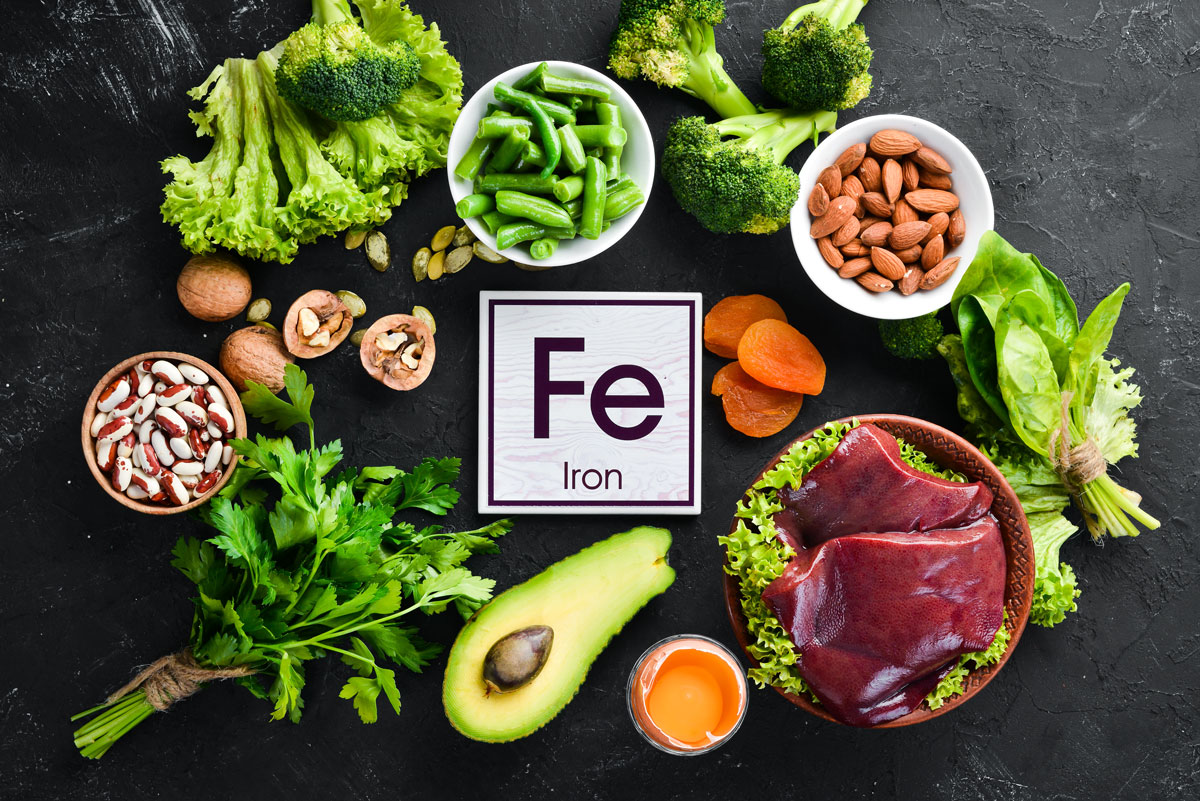
Fruits and vegetables are great sources of vitamins, minerals, and antioxidants. There are many different types of antioxidants, and examples of dietary antioxidants include beta-carotene, lycopene, and vitamins A, C, and E. These vitamins help the body in different ways, including keeping the skin healthy and fighting off free radicals, which are substances that attack cells and damage them over time.
Moreover, vitamin E is believed to reduce inflammation and increase the production of healthy white blood cells. Vitamin K helps your body by making proteins for healthy bones and tissues, and it also makes proteins for blood clotting. Research in humans has not demonstrated convincingly that taking antioxidant supplements can help reduce the risk of developing or dying from cancer.
Antioxidants can be found in certain foods such as broccoli, spinach, and strawberries. By including these types of foods in your meals, you may improve the way your body is able to fight off free radicals and other types of harmful substances that may lead to cancerous growth. Of course, if you feel your diet may not contain all of the necessary nutrients, you may want to consider adding a supplement to your diet, such as those from Dr. Steven Gundry, to ensure that your body has everything that it needs.
Add Fiber-Rich Foods To Your Diet
High-fiber diets may help reduce your calorie intake, which is essential in maintaining a healthy weight and lowering the risk of developing cancer. For instance, when you eat foods that are rich in fiber, it may help reduce the risk of getting colon cancer since fiber is beneficial to your colon functions.
Therefore, if you’re at risk for colon cancer, adding high-fiber food choices in your diet may help mitigate it by keeping yourself fit and healthy. If you’re looking for fiber, it’s good to know that it can be found in many foods such as oatmeal, nuts, beans, fruits, whole grains, vegetables, and many more.
Cut Down Sugar And Refined Carbs
High levels of sugar and processed carbs in the foods we eat, particularly refined carbs, have been linked to an increased risk of developing cancer because a high-sugar diet may contribute to excess weight gain, and obesity is associated with an increased risk of developing several types of cancer.
In other words, changing your diet by eating more foods that contain less sugar or refined carbs may go a long way in protecting yourself from the risk of developing cancer.
Avoid Sodium
You should avoid eating foods that contain excessive amounts of sodium. If you eat too much sodium, you’re putting a lot of excess pressure on your kidneys, which can lead to kidney stones. Eating too much sodium can also increase your blood pressure, and having high blood pressure is one of the risk factors for renal cell cancer, a type of kidney cancer, along with smoking tobacco and having excess body weight. Signs of renal cell cancer include blood in the urine and a lump in the abdomen, but there may be no signs or symptoms in the early stages.
Thus, if you don’t want to increase your risk of having cancer, be sure to limit foods with excessive sodium content.
Reduce Consumption Of Carcinogenic Foods
If you love eating charred meats or smoked foods, it may be time to avoid these food choices to minimize the risk of cancer. Typically, these foods have a high level of carcinogens, which are cancer-causing substances that are usually formed during the cooking process. Examples of foods that contain carcinogens are dried and preserved meat, burned meats, and many more.
Thus, if you want to be serious about your cancer prevention efforts, start reducing your carcinogen consumption by avoiding cooking oils on high heat, not overcooking the meat for the barbecue, storing oils in airtight containers as they become rancid when exposed to air, and by being careful about what you put in the microwave such as plastic wrap since it may contain carcinogen compounds.
Eating Healthy Fats
Another way how dietary changes may lower the risk of cancer is by eating healthy fats. Unlike bad fats, good fats may be good for your heart, cholesterol, and overall health. When your body is healthy, you may prevent the rapid development and growth of abnormal cells that may destroy your normal body issues, causing any type of cancer.
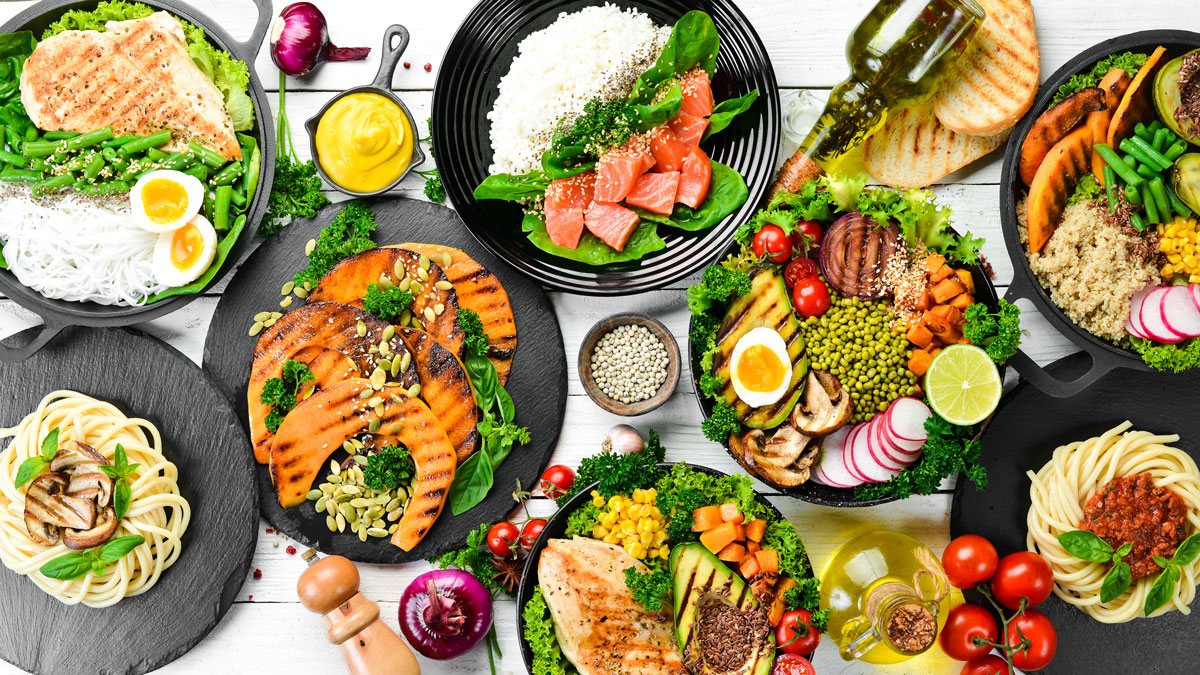
So, to protect yourself against cancer, you should consistently add more unsaturated fats from foods like fish, olive oil, avocados, and nuts into your diet.
Conclusion
Being diagnosed with any type of cancer can be a difficult experience. With all the medications and treatments you need to consider, your battle against cancer may be a tough one. That being said, it’s important to learn to take responsibility for your health and try to be aware of what causes you to have cancer.
The more you learn about cancer, the better you’ll find new and effective ways to fight it. Generally, prevention can be a great way to keep you healthy, which is something that you should really focus on by. One way to do this is by making the necessary dietary changes, such as the one mentioned above. That way, you’re not only trying to keep your risk of having a deadly disease low but also keep yourself fit and healthy.