Superfoods As A Diet Booster: Debunking 3 Myths And Misconceptions

The bottom line
No herbal products have been shown to be effective for treating cancer. With few exceptions, studies of human populations have not yet shown definitively that any dietary component causes or protects against cancer. There is not enough evidence to conclude that turmeric or curcumin is beneficial for any health purposes.
This is general information, not medical advice. Ask your doctor or pharmacist about your own situation.
Key takeaways
- Some herbal products may be harmful when taken during chemotherapy or radiation therapy because they may interfere with how these treatments work.
- Cancer patients should talk with their doctor about any complementary and alternative medicine products they may be using, including vitamins and herbal supplements.
- Research in humans has not demonstrated convincingly that taking antioxidant supplements can help reduce the risk of developing or dying from cancer.
- Many factors can affect your weight, including lifestyle habits, how much sleep you get, medicines, health problems, and family history and genes.
Superfood is the term used by health advocates and fitness lovers around the world to refer to food or food groups that may help boost immunity and overall health. They’re said to be very rich in nutrients that help boost your immune system and maintain good health.
Some of these superfoods are probably in your pantry already! These are turmeric, nuts, fruits, green and leafy vegetables, and chia seeds, to name a few. And they are mostly found in supermarkets, superstores, and health shops. You can also buy them at online shops like Goodness Me!
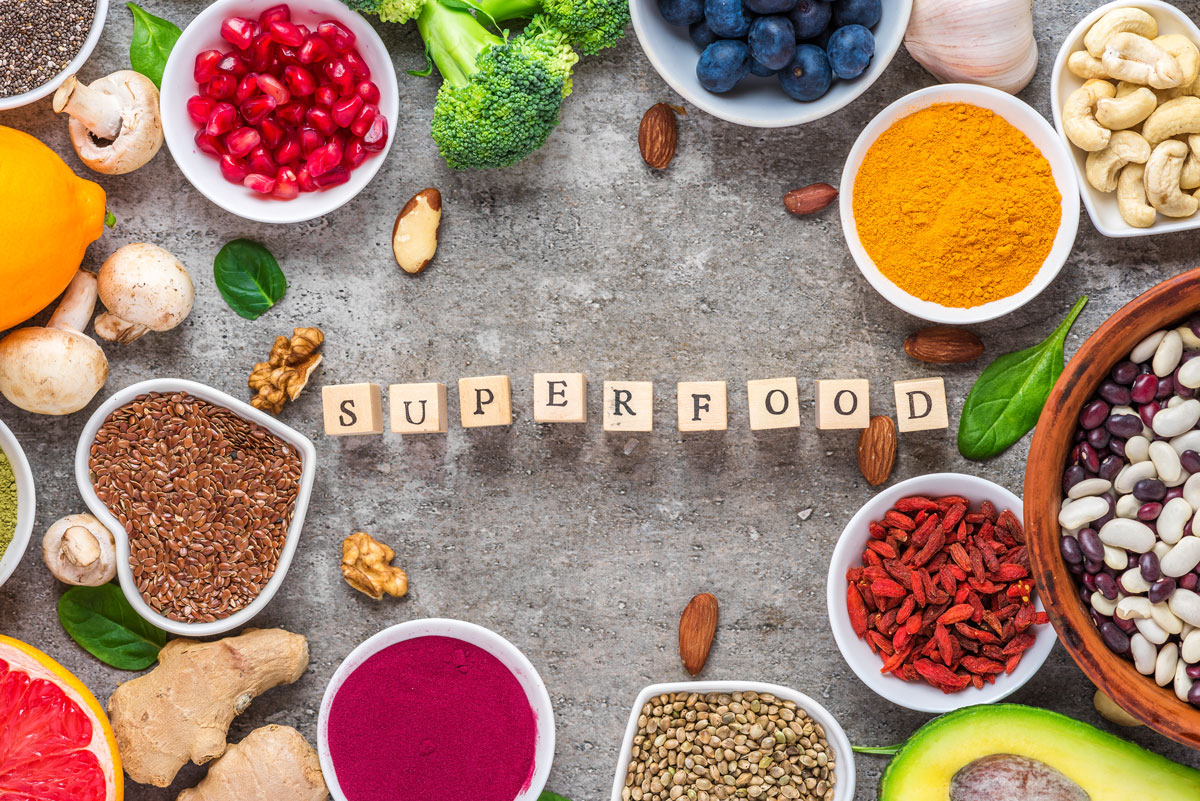
Over the years, the popularity of superfoods was taken advantage of by some businesses as they eventually resorted to health claims for marketing purposes. So, consumers should be careful if they intend to use superfoods as a form of treatment. They might just end up disappointed when they realize they’ve fallen for these myths.
Some of these myths are:
Myth 1: Superfoods Cure Cancer
Cancer is a disease found to be caused by the spread of abnormal cells that prevent the proper functioning of organs in the body. Some cancer types are more difficult to prevent, like in the case of hereditary cancer types, which significantly may increase one’s susceptibility to that specific type of cancer.

Because of this fear, even some superfoods, such as turmeric, cauliflower, and kale, are being marketed as cancer cures. Turmeric is probably one of the most marketed cancer cures among the superfoods. One should know that the curcumin found in turmeric is said to reduce inflammation in body tissues. The anti-inflammatory properties and the other benefits of turmeric have been looked at in many studies, but we do not know enough to definitively conclude if turmeric or curcumin is beneficial for any health purposes. It does not cure serious diseases like cancer. This is one of the most common myths involving superfoods one must be aware of.
Myth 2: Superfoods Cure Obesity
Obesity is a disease that many factors can affect. If you take in more calories from food or beverages than you use, your body may store some of these extra calories as fat. It could be induced by unhealthy lifestyles, genetic abnormalities, metabolic disorders, behavioral issues, or hormonal imbalances. That said, it doesn’t happen overnight. However, some people seem to believe that eating superfoods like nuts will help treat obesity.
While nuts are a healthier snack alternative, not all of them may be good for you. The protein, monounsaturated fats, folic acid, fiber, magnesium, vitamin E, and antioxidants found in some nuts may help prevent obesity. Some nuts like walnuts, almonds, and pecans may be good for the heart due to their low saturated fat levels, but some do not have these properties.
However, nuts as superfoods are only diet boosters and not an instant cure for obesity. Patients who suffer from obesity need more than a healthy diet to go back to a healthy weight. Prescription medicines are often needed, and in worst cases, surgery may be required.
Myth 3: Superfoods Cure Skin Diseases
Natural remedies are becoming more popular these days and are the preferred treatment by many, even when it comes to dermatological concerns.
Some groups, seeing this opportunity, advertise superfoods as a cure for skin diseases. They sell the idea that eating a Vitamin C-rich Apple and the Vitamin E-packed Avocado will cure skin diseases. Moreover, they also claim unwanted skin breakouts will instantly disappear if you eat a lot of almond and sunflower nuts.
Remember that acne, for example, can be caused by hormones or certain medications, and things that do not cause it but may make it worse include stress, squeezing or picking at blemishes, and, in some studies, eating certain foods. And obviously, these will not be cured by simply eating superfoods.
However, while they cannot cure skin diseases, eating superfruits can benefit the skin in several ways. Citrus fruits and berries are rich in Vitamin C and other nutrients that can keep skin healthy. They can also help generate new body cells, particularly skin cells, that result in youthful and glowing skin.
Some superfoods like carrots, blueberries, and tomatoes benefit the skin with their anti-inflammatory and antioxidant properties, especially when eaten daily. They also have been reported to protect the body from free radicals that damage skin cells.
The superfood fruits packed with vitamins, antioxidants, and other nutrients will only help the body fight free radicals and other factors that may damage the skin. They may also help maintain healthy skin. However, you have to remember that they do not cure skin diseases.
Busting Myths And Misconceptions
These myths may sound very convincing especially when you see them as claims in health products with multiple positive reviews from consumers who seem to support the claim. But to avoid being misled, always look for more reliable information, such as published studies with scientific bases conducted by professionals and experts. While superfoods are indeed nutritious and may help improve health, they’re best used to prevent diseases and not to treat already existing diseases. After all, prevention is always better than cure.