
Is sugar a pure substance?

Quick answer
Yes. Table sugar is sucrose, which is a pure substance: every sample has the same composition, 42.1% carbon, 6.5% hydrogen and 51.4% oxygen by mass. It is a compound, not an element or a mixture. Sugar water, on the other hand, is a mixture.
Key takeaways
- A pure substance has a constant composition, and table sugar (sucrose) fits that definition.
- Sucrose is a compound because it combines three elements: carbon, hydrogen and oxygen.
- Its formula is C12H22O11: 12 carbon, 22 hydrogen and 11 oxygen atoms per molecule.
- Dissolve sugar in water and you get a mixture, a solution, not a pure substance.
For centuries, sugar has been a staple in many household pantries. In addition to being a great sweetener for beverages and dishes alike, it also adds a depth of flavor to savory dishes. It is often used as a coating for meats or vegetables to create a crispy crust or provide a sweet undertone. But does sugar qualify as a “pure substance” in the sense that we might understand what this means?
Chemists define a pure substance as matter with a constant composition: every sample has exactly the same makeup and properties. By that definition, table sugar (sucrose) is a pure substance.
Table of Contents

Is Sugar a Pure Substance?
Yes. Table sugar is sucrose, and sucrose is a pure substance: any sample consists of 42.1% carbon, 6.5% hydrogen and 51.4% oxygen by mass, whatever plant it was made from. Because it is made of more than one element, it is a compound. Sucrose is a disaccharide, built from one glucose unit and one fructose unit.
Simplified Explanation
Sugar is a pure substance. Every crystal of table sugar is made of the same molecule, sucrose.

Is Sugar Water a Pure Substance?
No, it is not. It is a mixture: a solution of sugar in water. This means that the water has dissolved sugar in it. The word ‘sugar’ actually refers to any of various sweet substances, including sucrose, lactose, maltose, and fructose. Another type of impure substance is saltwater or brine which contains dissolved salt or other substances that are salty.
What are Pure Substances?

Pure substances are chemical elements or compounds: matter with a constant composition. For example, elemental sodium has just one type of atom – an atom of the chemical element sodium. A compound such as a table salt is composed of two different types of atoms: Sodium and chlorine.
Examples of Pure Substances
Pure substances are single materials, in their natural state. For example, water is a pure substance because it has only one ingredient: H2O.
What is Sugar?
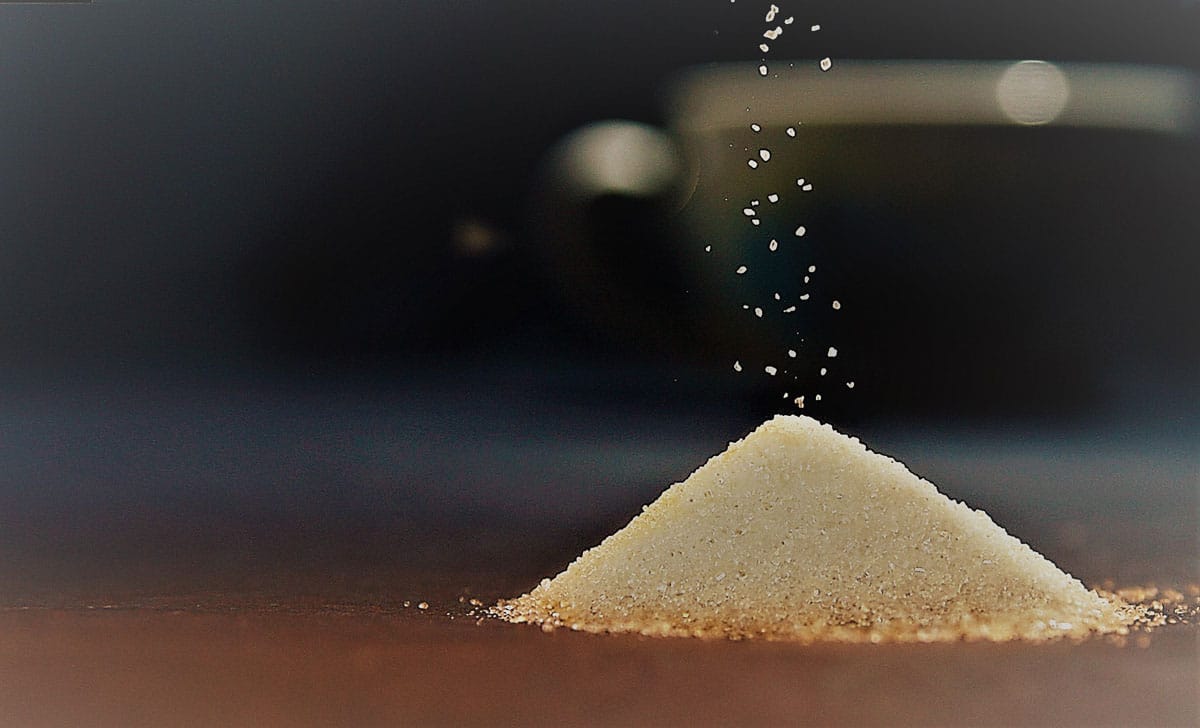
Sugar is a carbohydrate that provides high levels of energy. The human body requires sugar for various bodily functions, including the transport of glucose into cells. Sugar is used as an inexpensive sweetener in food production, although it can lead to health issues such as obesity and tooth decay.
Sugar is a sweet food that is made from plants. It is used to make other foods sweeter. The word sugar comes from Sanskrit “sharkara” which means “sweet”. Sugar mainly comes in three main types: brown, white, and raw. Brown sugar contains molasses which gives it a caramel-y flavor. White sugar has had the molasses removed.
Chemical Formula
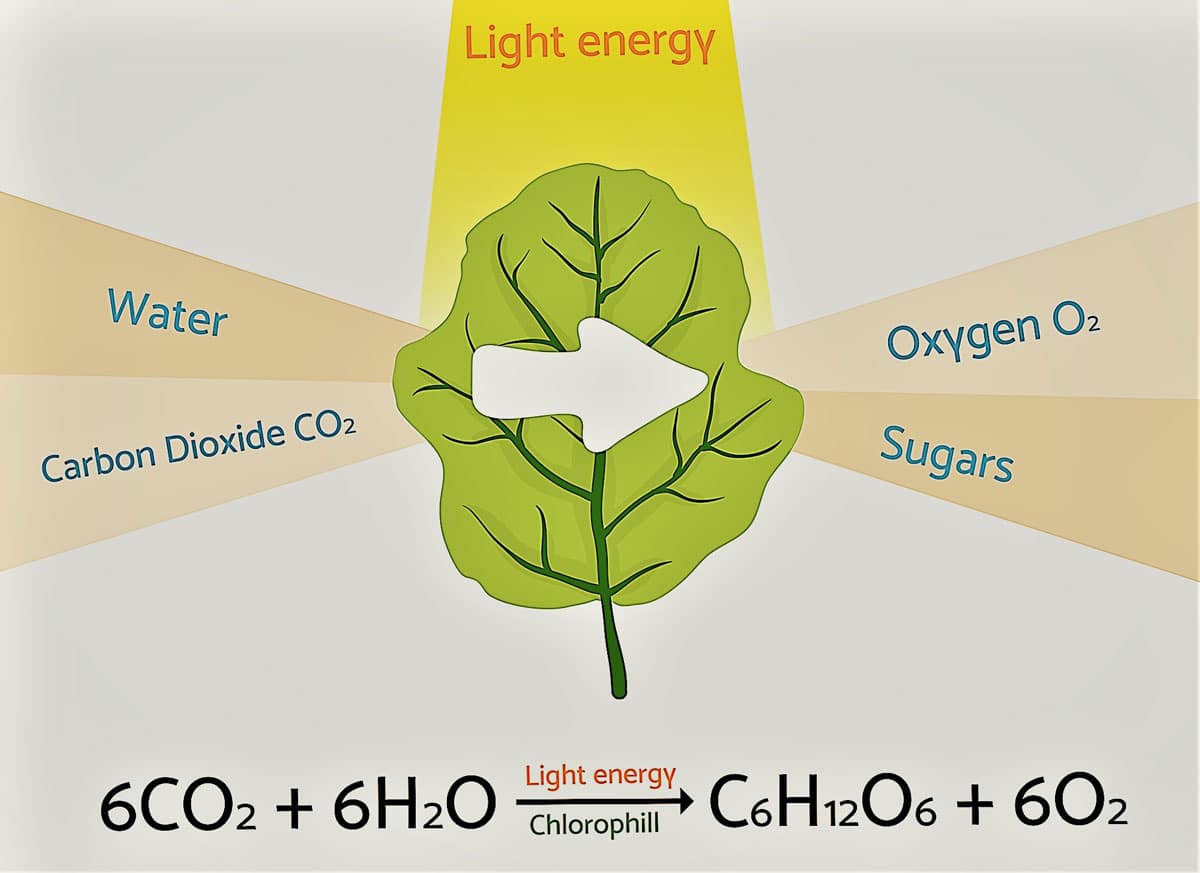
Sugar is the name given to the sweet, crystalline substance that is produced by plants. It can be classified as a carbohydrate. The formula for sucrose is C12H22O11, which means each sucrose molecule has 12 carbon atoms, 22 hydrogen atoms and 11 oxygen atoms.
Is Sugar a Mixture, Compound or Element?
Sugar is a compound because it is made of three elements, carbon, hydrogen and oxygen, chemically combined. Each sucrose molecule is built from a glucose unit and a fructose unit joined by a glycosidic bond.
Is Sugar an Atom?
Sugar is a molecule, not an atom. Sugar’s chemical formula is C12H22O11. This means that it has 12 Carbon atoms, 22 Hydrogen atoms, and 11 Oxygen atoms.

Is Sugar a Lipid?
The term lipid refers to a class of organic compounds that serve as the major components of cell membranes, including fat. Lipids are not water-soluble. A sugar, on the other hand, is a carbohydrate molecule containing carbon, hydrogen and oxygen atoms.
FAQ
-
Why Is Sugar a Pure Substance?
Table sugar is a pure substance because it is made of one compound, sucrose, which has the same makeup in every sample. The word “sugar” also covers other sweeteners. There are natural sugars, like sucrose and glucose, which are extracted from raw sugar cane or beets. These sugars are added to processed foods for flavor and to retain moisture. There are also artificial sugars, like high fructose corn syrup (HFCS), that are made when corn syrup is chemically processed with enzymes. The HFCS in sodas makes them sweeter than they would otherwise be.
-
How to Recognize Pure Substances?
Pure substances are not made up of anything else.
For example, water is a pure substance because it only contains the elements hydrogen and oxygen.
-
How to Distinguish Pure Substances and Mixtures?
A pure substance has a constant composition, while a mixture is made of two or more types of matter that can be present in varying amounts and separated by physical changes. A mixture, on the other hand, is made up of two or more substances with differing properties.
-
Is Sugar a Pure Substance or a Mixture?
Table sugar is a pure substance, not a mixture. When it dissolves in water, the sucrose molecules stay whole and become uniformly distributed among the water molecules; the sugar water that results is a mixture.
-
Is Table Sugar a Pure Substance?
Yes. Table sugar is sucrose, a disaccharide made of one glucose unit and one fructose unit joined together. Every sample of sucrose has the same makeup, so chemists classify it as a pure substance.


