Does Cinnamon Lower Blood Sugar & Help You Fight Diabetes?

Quick answer
Some studies suggest that cinnamon might help with blood sugar control, but they lead to no clear conclusions, and research does not clearly support using cinnamon for any health condition. It is very important not to replace medical treatment for diabetes with an unproven health product or practice.
This is general information, not medical advice. Ask your doctor or pharmacist about your own situation.
Key takeaways
- Managing type 2 diabetes includes planning healthy meals, being physically active and taking any prescribed medicines.
- Using herbal supplements such as cinnamon with conventional diabetes drugs can cause unwanted side effects. Tell your health care providers about any herbal supplements you take.
- Cassia cinnamon contains varying amounts of coumarin. For people with liver disease, taking a large amount of cassia cinnamon might worsen their condition.
- Cinnamon is likely safe in the amounts commonly used in foods. Ceylon cinnamon in larger amounts during pregnancy is considered unsafe.
- Unlike drugs, dietary supplements are not approved by the FDA before they are sold to the public.
Cinnamon is one of the most aromatic in the spices family. As you know, it is widely used in preparations of mouth-watering desserts and many other cuisines that are consumed daily.
Apart from its unparalleled taste, cinnamon also bears some crucial medicinal values.
It is rich in manganese, iron, copper, and zinc. Not only does cinnamon spice up your food, but it also can provide you with significant health benefits.
One that has been studied a lot is lowering blood sugar.
People suffering from diabetes face raised levels of blood sugar. Their insulin levels and functioning gets disturbed, hence, the high blood sugar levels.
So does cinnamon lower blood sugar?
Some studies suggest that cinnamon might help with blood sugar control, but those studies lead to no clear conclusions.
In Type 1 Diabetes, no significant results are obtained.
You must be wondering, how does cinnamon lower blood sugar levels?
So, let me get into the science of it a little bit.
First of all, let’s understand what exactly is Type 2 diabetes. This is also known as Diabetes Mellitus.
It is essentially a progressive illness where the body becomes insulin resistant or can completely stop producing insulin.
Insulin regulates the sugar level in your blood. It facilitates the organs to absorb glucose from the blood, thereby lowering or regulating the glucose level in the blood.
Thus, when there is no insulin, there is no signaling for glucose absorption from blood.
According to a 2019 review of 16 studies, cinnamon supplementation helped reduce fasting blood glucose and insulin resistance in people with prediabetes and type 2 diabetes. However, the studies differed in dose, length of treatment and type of participants, and the review authors said that more research is needed.
To be precise, the results of the studies are difficult to interpret because it is often unclear which species of cinnamon was tested.
Different types of cinnamon

Cinnamon comes from the bark of trees. It is harvested majorly in China and South East Asia.
There are broadly two types of Cinnamon found; one is Cassia Cinnamon, and the other is Ceylon.
I have explained them below briefly for a better idea.
Cassia Cinnamon
This is highly aromatic and is very peppery in flavor. With a darker shade than Ceylon Cinnamon, Cassia Cinnamon is harder. It comes with an inward fold and empty cavity. It is the most common type of cinnamon sold in the United States and Canada, and it contains varying amounts of a chemical called coumarin, which might cause or worsen liver disease.
Ceylon Cinnamon
This one is a mild fragrance variant of cinnamon. It is softer than the former and comes folded like a cigar. Ceylon cinnamon grows primarily in Sri Lanka, and it may contain a trace amount of coumarin.
How much is cinnamon powder recommended to control diabetes?
In various studies, scientists have found out that if you are suffering from pre-diabetic symptoms, then cinnamon might help with blood sugar control, though the studies lead to no clear conclusions.
Having said that, it does not mean, for diabetic patients, cinnamon is useless. It utterly depends on upon an individual’s body, how it reacts to this spice.
In scientific studies, it was found that 1/2 tablespoon to 1 tablespoon of cinnamon, when taken daily for a month approximately, reduced sugar levels in the blood. Cinnamon supplementation at doses below 6 grams per day does not appear to pose a health risk, and the most common side effects at higher doses are allergic skin reactions and digestive problems.
But, one major concern here is if your body can take that much cinnamon.
Cinnamon is powerful and can turn out to be toxic to the body. Better is to try a little bit of it and then increase the dose.
Do not do this without consulting your physician, as cinnamon can produce side effects when taken with certain medicines. Especially if you have liver problems, stay away from this spice.
Recommended ways to consume cinnamon
Cinnamon powder with honey
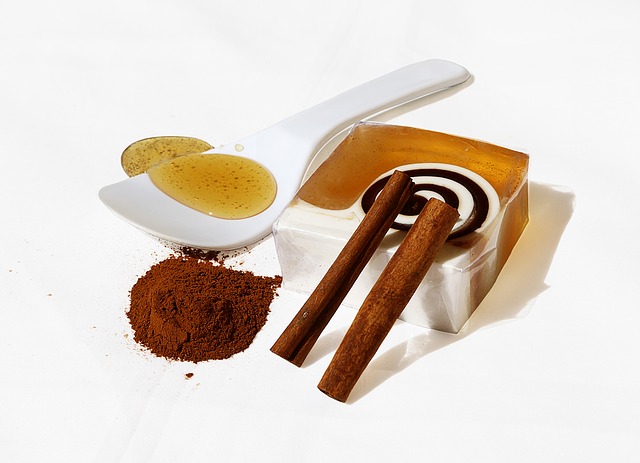
Cinnamon with Honey is known to be effective in weight loss.
You can try Cassia Cinnamon powder mixed with honey and have it daily for five days a week with a weekend break.
Mix the powder with one tablespoon honey and have it. Else, you can mix the two in water and drink it.
If you want to include this in your breakfast, spread the honey and cinnamon powder mixture on your bread and consume it.
No need to tax your brain and think, where to get Cassia cinnamon powder from!
Cinnamon Tea

Now that you know where to get cinnamon powder from, you can also mix this in your tea. It will be healthy and tasty to have daily.
Please note, if you notice any reaction against cinnamon tea or powder, consult your physician and stop its usage.
Cinnamon Sticks

Get the cinnamon sticks and put them in water to boil. When it boils, drink that water.
Keep in mind that research does not clearly support using cinnamon for any health condition, and it is unclear whether cinnamon supplementation is helpful for diabetes or weight loss.
If you show pre-diabetes symptoms and can’t tolerate Cassia Cinnamon, you can also try Ceylon Cinnamon. It is milder, and Ceylon cinnamon may contain a trace amount of coumarin.
What are the other health benefits of cinnamon?
Besides regulating the insulin and blood sugar in your body, cinnamon has other very significant health benefits.
It is unclear whether cinnamon supplementation is helpful for weight loss.
This aromatic spice also helps in protecting cavities and bad breath.
One 2020 review found that cinnamon supplementation decreased levels of triglycerides and cholesterol in people with type 2 diabetes, which are some risk factors for heart problems, but these reductions were not as prominent in studies of higher quality.
Aside from heart diseases, cinnamon is also said to have beneficial effects on certain neurodegenerative disorders. For instance, some compounds in cinnamon appear to prevent the accumulation of a protein in the brain, which is a risk factor for Alzheimer’s disease.
Lastly, cinnamon may protect your body against bacterial and fungal infections too. Some studies suggest that cinnamon oil may help kill fungi that may cause some respiratory tract infections.
Are there any side effects of cinnamon?
Having mentioned all the benefits of this largely used spice, I would also like to throw some light on the side effects you can face.
- Because cinnamon is powerful, it can cause the skin to get inflamed.
- During pregnancy, some studies suggest cinnamon is safe in amounts commonly found in foods, but Ceylon cinnamon in larger amounts during pregnancy is considered unsafe.
- If you have stomach problems like acidity, refrain from using this spice.
- There can also be rashes, seen on the skin, as an adverse effect of cinnamon.
While cinnamon is believed to have million-dollar medicinal benefits, it is also essential to consult your physician before its regular use. This is especially true if you take other supplements that help lower blood sugar levels. For instance, caution is necessary if you use supplements like garlic, bitter melon, psyllium, and other options available in the market. The same caution applies to other diabetes medications, as the interaction can cause serious side effects, including liver problems.
For these reasons, you have to be very cautious while consuming it daily, as this is not something that will suit everybody type.
Where to buy the best Cinnamon?
There are different Cinnamon types, so it is essential to choose proper Cinnamon for your needs—check out my post about the best Ceylon Cinnamon brands.
My conclusion – will cinnamon help you fight diabetes?
It is unclear whether cinnamon supplementation is helpful for diabetes, and it is very important not to replace medical treatment for diabetes with an unproven health product or practice.
You can not depend wholly on cinnamon consumption to get rid of diabetes.
You should follow all the basic diabetes preventive measures like proper diet, regular exercise, and periodic doctor consultations with prescribed medicines.
Keep your sugar level in check and if it increases, consult your physician without any delay. For example, if you want to monitor your blood sugar level, consider taking the A1C test. It refers to a common blood test to determine and diagnose type 1 and 2 diabetes. The test findings can also be used to develop a good diabetes treatment plan.
Hence, if you want to keep track of your average blood glucose over the past 2 to 3 months, an A1C home test kit can be the best option. The good thing about this test kit is that it helps save time and money. With this kit, you don’t need to go to the doctor and wait for a long time for the laboratory results. Finally, because the kit is affordable, you don’t have to spend more money on expensive lab draws and panels.
Conclusion
Managing type 2 diabetes includes planning healthy meals, being physically active and taking any prescribed medicines. Research does not clearly support using cinnamon for any health condition.
If you have any concerns or queries regarding this, kindly post them in the comments, and I will make sure to address them!