
Turmeric for Weight Loss

The bottom line
We don't know enough to definitively conclude if turmeric or curcumin is beneficial for any health purposes, says the National Center for Complementary and Integrative Health. There's no magic way to lose weight without a sensible diet and regular exercise. Highly bioavailable formulations of curcumin may harm your liver.
This is general information, not medical advice. Ask your doctor or pharmacist about your own situation.
Key takeaways
- Conventionally formulated oral turmeric or curcumin is likely safe in the recommended amounts for up to 2 or 3 months.
- Oral turmeric can cause nausea and vomiting, acid reflux, stomach upset, diarrhea, or constipation.
- Liver damage has been reported with curcumin products made for increased bioavailability. With symptoms such as dark urine or jaundice, stop taking them and talk with your health care provider.
- The use of turmeric supplements during pregnancy may be unsafe.
- No herbal products have been shown to be effective for treating cancer, and some may be harmful when taken during chemotherapy or radiation therapy.
Spices and condiments are not just to enhance the taste but also they have many unmatchable health benefits. One such beneficial herb is Turmeric.
I will discuss all the details of turmeric health benefits in this article and let you know what makes turmeric so unique!
Natural plant products are used for a long in human history.
Out of many such plants, turmeric possesses health benefits and other uses as well.
It has its mentions in the books of history called “Veda” in India about medicinal uses and benefits.
So, let’s begin with everything about Turmeric that is important and interesting to know.
What is Turmeric?
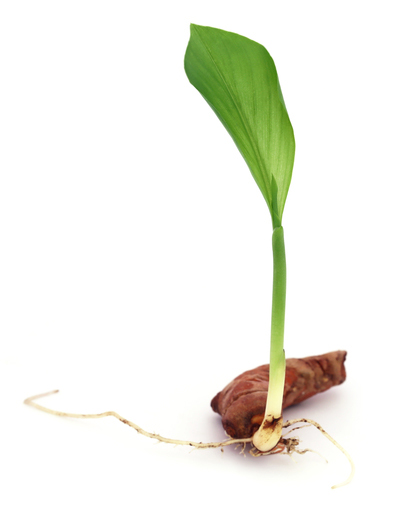
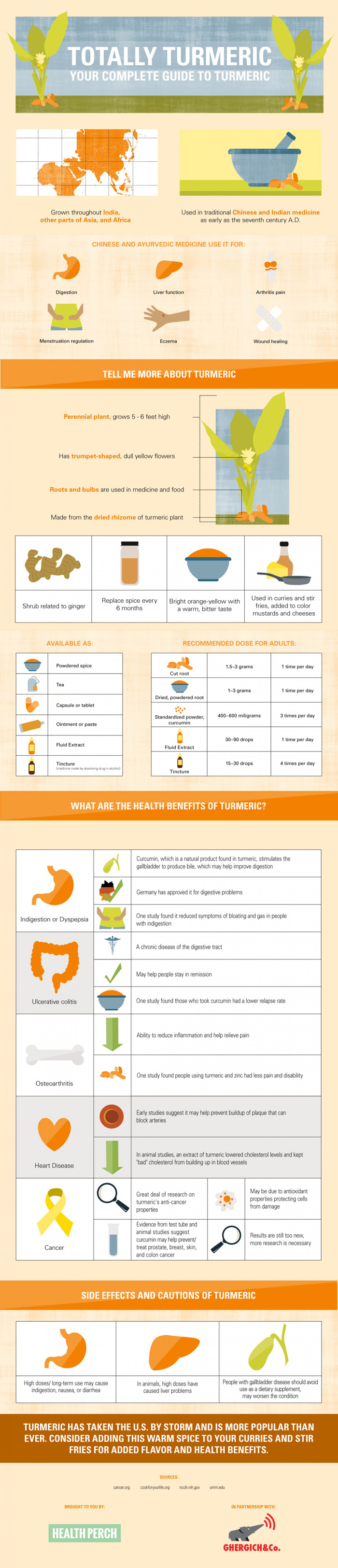
Turmeric is essentially a herbaceous perennial plant that produces rhizomes, like Ginger. This plant called Curcuma Longa belongs to the Ginger family, Zingiberaceae. It is native to South Asia, majorly India. Learn the difference between turmeric and curcumin here.
The rhizome from which you get turmeric is tuberous, rough, and with segmented skin, like ginger. From inside, it is bright yellow or yellowish-orange, which is why it has got the name “Indian Saffron.”
The turmeric plant grows to a height of 1 m from the ground level and needs a temperature between 20 degrees Celsius to 30 degrees Celsius. It has long oblong leaves, which makes it easier to identify this plant.
The rhizomes mature beneath the foliage of the turmeric plant appear yellowish-brown with pale orange inside. The main rhizome measures 1 – 3 inches in length and about 1 inch in diameter. Harvesters gather these rhizomes annually and reseed the same for the next season.
Where Does Turmeric Come From?
I was curious about researching and finding out where does turmeric comes from. As I mentioned earlier, turmeric comes as the rhizome of Curcuma Longa, a herbaceous perennial plant. India discovered and started using turmeric before anyone else.
To your surprise, India produces 80% of Turmeric globally and is its highest consumer. Indian Turmeric is considered to be the best in the world. Erode, a city in South India is the largest producer of Turmeric globally and the most important place for trading Turmeric. It is also known as “Yellow City” and “Turmeric City” because of this reason.
The use of Turmeric in India dates back to 4000 years. It reached China in 700 AD, East Africa by 800 AD, and the rest of the world in the eighteenth century.
What Does Turmeric Taste Like?
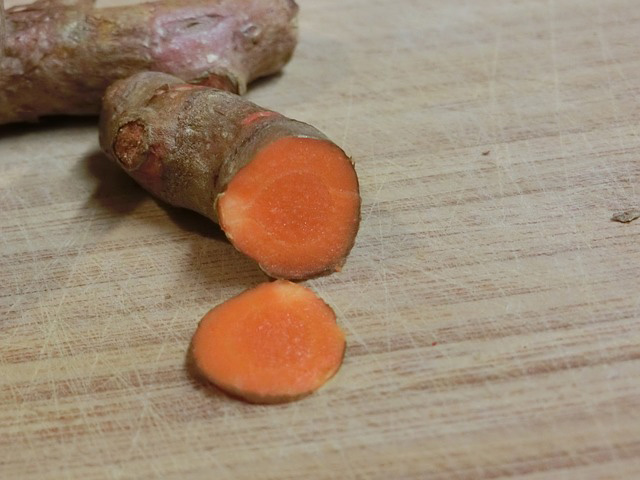
I love the taste of turmeric that it imparts to my food. It is slightly bitter when eaten raw.
Along with being bitter, it also has a peppery flavor to it. Also, it tastes somewhat similar to ginger.
It has a pleasing aroma, and when added to food, it makes your preparations deliciously fragrant.
When you taste the raw powder of ginger, you will hardly be able to eat it because it will taste too bitter.
When mixed with honey or any other ingredient, it enhances the taste.
I have also tried to prepare turmeric slices with vinegar and a pinch of salt; it tastes appetizing.
You can look for more details in the recipe section here later.
Turmeric is like a spice that you can add to your food and gift it some irresistible flavor.
No doubt, it is not very pleasing to consume the raw turmeric powder, but when cooked with other things, it tastes marvelous.
What is the Composition of Turmeric?
You must be wondering how Turmeric is so beneficial to health, isn’t it? To make that clear to you, I will let you know what makes Turmeric so healthy. It is composed of a lot of nutrients; details are below.
There are more than 100 components that are isolated from this medicinal herb. However, the main element of this root is a volatile oil. It contains Turmerone and coloring agents called Curcuminoids.
- Curcuminoids are found to comprise of Curcumin Demethoxycurcumin, Dihydrocurcumin, and 5’- Methoxycurcumin, which are natural antioxidants. Curcumin is anti-inflammatory and found to have anti-viral properties as well.
- The components responsible for the aroma of turmeric are Turmerone, Arturmerone, and Zingiberene.
- Vitamins: A, C, E, B1, B2, B3
- Minerals: Calcium, Phosphorous, Iron, Manganese, Chromium, Zinc, Potassium, Selenium
- Carotenoids, Carotenes, and Xanthophylls indicated by yellow, orange, and red colors are also present. They either convert into Vitamin A or provide immunity by combating free radicals.
- Starch and Protein – Resin, a fatty substance found in the roots, responsible for reducing pain and inflammation.
- COX – 2 inhibitors and Cineole – Each constituent individually has many benefits as far as health is concerned, although they work synergistically. This makes the whole herb a bundle of health benefits.
Many scientists believe that most of the nutrients and health benefits come from the essential oil found in Turmeric, and so, it is necessary to check the nutrient contents of Turmeric powder.
There are various kinds of powder; some are just for the flavor, and some provide health benefits.
What is Turmeric Good For?
Disclosure: This page contains affiliate links. If you buy through them we may earn a commission at no extra cost to you. As an Amazon Associate we earn from qualifying purchases. See our affiliate disclosure for details.
Source: http://www.amazon.com/Potency-Turmeric-Pepper-Extract-Capsules/dp/B00RK8YF56/
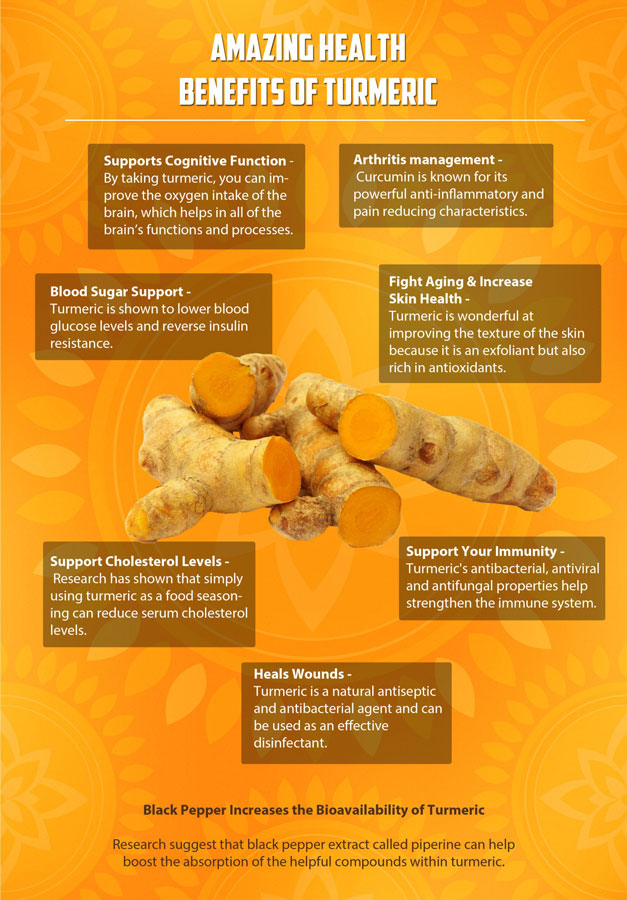
Indian and Chinese people have used turmeric for its anti-inflammatory properties and healing abilities. Some of the benefits even I have experienced, such as it boosts immunity, heal wounds, and helps indigestion.
But, apart from all these, this aromatic herb is promoted for a variety of other conditions. The National Center for Complementary and Integrative Health says we don't know enough to definitively conclude if turmeric or curcumin is beneficial for any health purposes. I have made a detailed list for you to refer to, take a look:
1. Inflammatory Bowel Disease
If you are suffering from indigestion, turmeric is a traditional remedy: it has been used in traditional medicine systems for conditions such as indigestion. For Inflammatory Bowel Disease (IBD), there isn't enough evidence to definitively conclude whether oral turmeric or curcumin has beneficial effects, and oral turmeric can cause stomach upset, diarrhea, or constipation.
2. Rheumatoid Arthritis
In the case of Rheumatoid Arthritis as well, curcumin exerts potential anti-inflammatory benefits. Curcumin destroys the free radicals that travel through the body and damage healthy cells and cell membranes.
As an antioxidant, curcumin neutralizes these free radicals. Rheumatoid Arthritis, however, is an autoimmune disease: it occurs when the immune system, which normally helps protect the body from infection and disease, attacks its own tissues. There isn't enough evidence to definitively conclude whether oral turmeric or curcumin has beneficial effects on it.
If you have pain and inflammation in your joints or find your joints swollen, talk with your health care providers about any complementary health approaches you use.
3. Cystic Fibrosis
I will explain to you what is Cystic Fibrosis first. It is a disease where thick and sticky mucus can block and damage the airways of the lungs.
This disease is fatal, and also, this condition can give rise to further abnormalities and can easily invite infections. Although there is not yet a cure for cystic fibrosis, advances in treatment are helping many people live longer, healthier lives. There isn't enough evidence to definitively conclude whether oral turmeric or curcumin has beneficial effects on this disease.
It is research that Cystic Fibrosis happens due to a mutation in the genes responsible for coding CFTR protein. This protein is essential for moving to the cell membrane and creating channels for the Chloride ions to leave the cell.
This happens smoothly when CFTR is appropriately shaped. But, due to a mutation in the genes, this protein gets deformed in shape. The result of this deformity is, it can be no more travel to the cell’s surface and create a channel for chloride ions.
Because chloride ions get deposited in the cells, mucus is produced. Treatment for cystic fibrosis focuses on medicines and other ways to clear the airway.
4. Cancer
The anti-oxidant properties of Curcumin do not make it a cancer treatment. In laboratory and animal studies, increased levels of antioxidants have been shown to prevent the types of free radical damage that have been associated with cancer development. But clinical trials did not provide evidence that dietary antioxidant supplements are beneficial in primary cancer prevention, and the National Cancer Institute says no herbal products have been shown to be effective for treating cancer.
Cruciferous vegetables like Cauliflower, Cabbage, Broccoli, etc., contain compounds that have been found to inhibit the development of cancer in several organs in rats and mice. Studies in humans, however, have shown mixed results.
5. Liver Function
Initial research suggests that oral turmeric or curcumin might improve some measures of nonalcoholic fatty liver disease, but it's unclear which specific measures are consistently improved. Highly bioavailable formulations of curcumin, which enhance the body's ability to absorb the curcumin, may harm your liver, and liver damage has been reported in some people who have consumed these formulations.
Curcumin is also found to be a very efficient COX – 2 inhibitors. COX – 2 is an inflammatory chemical Cyclooxygenase – 2.
6. Prevention Against Heart Attack
As you all know, the deposition of cholesterol in the blood vessels causes a heart attack. Cholesterol gets deposited in the walls due to oxidation. Antioxidant supplements have been studied for cardiovascular disease, but in general there is currently no evidence that they have a positive impact on it.
Another essential component of Turmeric is Vitamin B6. It is required to keep the Homocysteine levels in control. Increased levels of Homocysteine can also cause damage to the blood vessels. I will also want you to know that an increased level of Vitamin B6 is also dangerous and harmful.
7. Lowering Cholesterol
Cholesterol is bad for health. But, there are two kinds of Cholesterol. One is good cholesterol, and one is bad cholesterol. Good cholesterol is not bad for health, but bad cholesterol is.
I will clarify excellent and bad cholesterol for a better understanding. Good cholesterol is High-Density Lipoprotein (HDL), and bad cholesterol is Low-Density Lipoprotein (LDL). Cholesterol is carried in the blood attached to these proteins.
Now, LDL cholesterol is taken up by the liver by LDL receptors and thus, lowering its levels in the blood.
Many studies have been conducted on turmeric or curcumin for high cholesterol or other lipid disorders, but we don't know enough to definitively conclude if either is beneficial. I try to incorporate turmeric or turmeric powder into my daily diet. I will tell you easy ways to consume turmeric daily in the recipes section here.
8. Alzheimer’s Disease
Curcumin, found in the spice turmeric, has been studied for its potential cognitive benefit. However, so far, there is no evidence that eating or avoiding a specific food can prevent Alzheimer's or age-related cognitive decline.
In Alzheimer's disease, there are protein plaques that are formed between the nerves. This inhibits nerve signaling. These plaques are essentially the broken down protein fragments called Amyloid – B.
In the healthy brain, these are discarded. But, in Alzheimer’s, these keep aggregating between the nerves and block them. The evidence on curcumin is too limited and inconsistent for any conclusions to be reached.
9. Treatment of Acne
Turmeric demonstrates some unique anti-bacterial and anti-inflammatory properties. Acne happens when hair follicles under the skin become clogged, and the growth of bacteria in the pore is one of the things that can lead to it. I know how desperately you want to get rid of that ugly acne on your skin!
For that, just take one tablespoon of turmeric powder or take dry turmeric and make a paste of it with water. Apply that paste to your skin which is affected by acne. Leave it for 10 minutes, and then rinse with lukewarm water. Keep in mind that topical curcumin can cause hives or itching.
For more information about turmeric treatment for acne, read this article from The Beauty Reel.
10. Treatment for Dry and Oily Skin
You can treat your extra dry or extra oily skin also quickly with turmeric. For oily skin, take a pinch of turmeric powder, mix it with one spoon of sandalwood powder and three spoons of orange juice. Apply the paste all over your face and rinse it after 10 – 15 minutes.
You can take one egg white, rose water, turmeric powder, and a little bit of olive oil for dry skin. Apply the whole paste to your face and see the glowing skin that you get after rinsing!
11. Reduce Wrinkles
You can significantly reduce the fine lines on your skin that make you look aged. Take turmeric powder and mix it with milk. Don’t make it too thick. Apply the whole thing to your face daily for 15 minutes and rinse.
It will reduce the appearance of wrinkles on your skin.
12. Soothes Burns and Heals Wounds
For minor burns, you can apply turmeric and aloe vera gel. Keep in mind that burns can lead to infections because they damage your skin's protective barrier, and that topical curcumin can cause hives or itching.
Also, if you get minor cuts and bruises, you can apply turmeric powder to the wound. Minor wounds usually aren't serious, but it is important to clean them. These are some of the first aids you can try during mine injuries, but never in the case of any significant injury or ailment.
13. Treats Dandruff and Prevents Hair Loss
Get rid of your dandruff naturally by applying turmeric with olive oil. Like you apply oil to your scalp, do it the same way. Just mix it with turmeric. Let it be there for at least 15 – 30 minutes, and then wash it with a mild shampoo.
14. Boosts Immunity
Turmeric is promoted as a dietary supplement for a variety of conditions. Even so, we don't know enough to definitively conclude if turmeric or curcumin is beneficial for any health purposes.
15. Weight Loss
Turmeric health benefits also include weight loss. Let me get into the details of it as I am sure many of you want to know this one.
16. Eczema
There isn't enough evidence to definitively conclude whether turmeric has beneficial effects on the skin disease eczema, and topical curcumin can cause hives or itching. Check out this post of mine for turmeric recipes for eczema.
Why is Turmeric Good For Weight Loss?
When I say weight loss, it automatically means fat burn. These two things go hand in hand, pretty much. Weight reduction is one more thing turmeric is credited with. Still, we don't know enough to definitively conclude if turmeric or curcumin is beneficial for any health purposes, and there's no magic way to lose weight without a sensible diet and regular exercise.
- Fatty tissues that store fat also require providing the fat cells some nutrients to grow. So the process of angiogenesis is needed. Adipocytes produce similar to cancer cells. Curcumin inhibits cell growth as it has anti-angiogenic properties and reduces fat cell mass.
- With age, the body suffers from decreased mitochondrial production and less energy in the body. It reduces the activity in the body and makes you gain fat. More power can keep your body active, and regardless of age, you can feel energetic and full of life.
- Turmeric also increases the activity of AMP-activated protein kinase (AMPK). AMPK activity is something of a cellular metabolic master switch, which improves metabolic homeostasis. It is often out of balance in overweight and obese people.
- Turmeric helps and increases the ability of programmed cell death in unhealthy fat cells. It is also a fact that is something that scientists are still researching.
Now that you know all the possible fat loss mechanisms with turmeric, you might be wondering how you can incorporate turmeric into your daily diet, isn’t it?
I will give you some tips on including this medicinal herb in your diet regularly. First, let me help you with how to prepare turmeric for cooking.
How to Prepare Turmeric?
Source: Pixabay
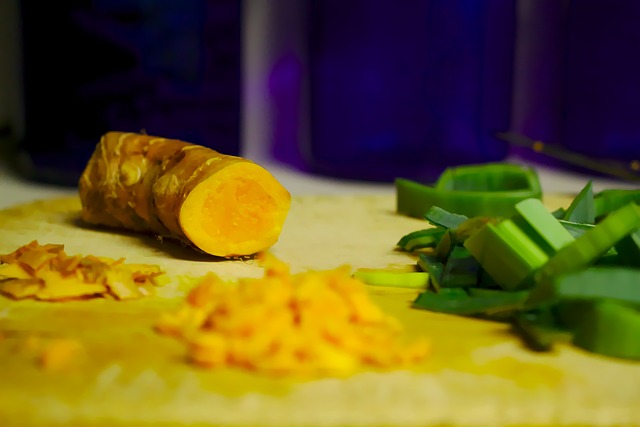
Turmeric is very much like ginger in appearance. Also, it is a rhizome from the same family as ginger. So, the preparations of turmeric are pretty much the same as ginger.
1. Peeling
You can peel turmeric with the help of a spoon or with a peeler as well. The skin of turmeric is soft and so won’t require much of an effort.
While selecting to buy turmeric, look for the pieces that are with no or minimum bumps. It will cut short your efforts.
2. Slicing and Chopping
Many people use turmeric to prepare pickles. So, it depends on what you want to train out of your turmeric. If you are slicing this to use in your stir-fried vegetables, it is better to cut it and chop.
If it comes in the mouth while eating, you will not like the fibrous and slightly bitter taste. So make sure you chop it into tiny pieces.
3. Grating
After peeling, you can take a cheese grater and grate it. You can use it to garnish and flavor your food like salads. It will give you a great aroma as well.
Also, grated turmeric is perfect for making turmeric tea.
4. Drying and Powdering
In India especially, dried and powdered turmeric is used extensively. It is a staple food for Indians and also southeast Asians at large. It is used in curries, soups, etc.
You can dry the turmeric roots and then make their powder. This can be stored and kept for a longer time as compared to turmeric roots. Keep the powder in a cool and dry place. Avoid any moisture so that it does not get spoilt.
What are the Best Turmeric Recipes?
It is very much recommended to use turmeric daily in your diet. It provides million-dollar health benefits, and you don’t even need to consume a lot of it. So, here are a few tips on how to incorporate turmeric into your daily diet.
1. Turmeric and Honey with Water
Now, this is something that I have daily morning first thing after I wake up!
Just mix a pinch of turmeric powder in honey and stir this in lukewarm water. Have it daily in the morning, preferably empty stomach.
2. Turmeric and Ginger Tea
Ingredients
- 1 cup water
- 1/4 teaspoon ground turmeric
- 1/4 teaspoon ground ginger
- honey to taste
- Milk
Procedure
- Bring the water to boil
- Now reduce the heat and add turmeric and ginger
- Let it simmer for 10 minutes
- Add milk and stir
- Strain the mixture and add honey to taste
3. Fragrant Yellow Rice
One exciting recipe that you can try and treat your taste buds is turmeric rice. Have a look at the preparations and ingredients:
Ingredients
- 3/4 cup rice (increase or decrease according to your preference)
- 1 cup water (increase or decrease according to your choice)
- One bay leaf
- Two pieces of cinnamon stick
- Three cloves
- 1/2 teaspoon salt (according to taste)
- One tablespoon butter or olive oil
Procedure
- Rinse the rice thoroughly
- In a pan, add one tablespoon butter or olive oil
- When it heats, add one bay leaf, two pieces of cinnamon stick, and cloves
- Let it fry on low heat for 2 minutes
- You will get the aroma of these spices
- Then add 1 cup water, turmeric, and 3/4 cup rice
- Bring to a boil, then let it simmer on low flame for about 10 minutes
- Put the love off and cover it with a lid for 10 minutes
- Uncover and remove the bay leaf and cinnamon stick
- You can add and reduce the water according to the rice you are using.
4. Turmeric Milk
Another thing that you can have daily is turmeric milk.
To prepare this milk, just take the milk and add a pinch of turmeric powder to it. Let it boil. Cool it down to lukewarm and have. If you experience acidity with warm milk, do not try this.
5. Salads
You can sprinkle turmeric powder into your salad preparations. Else, you can also grate the turmeric root and garnish your salads to have it daily.
6. Curries and Stir-Fries

You can prepare curries with turmeric. It just requires a pinch of turmeric to impart an attractive yellow color to your food and give you many health benefits.
You can also stir turmeric powder into your vegetables.
Apart from these, you can have this healthy powder added to your smoothies. It will prove to be very beneficial for you and also tasty.
Daily Recommended Dosage of Turmeric
The Daily recommended dose of Turmeric extract is anywhere between 200 mg to 1 gram. Divide the amount into two and make sure you consume the value collectively.
The recommended dose of turmeric is a little higher for people who are suffering from cholesterol. It is 1 to 1.4 grams of turmeric daily, divided into two doses for three months.
For people having arthritis, 500 mg of turmeric powder or extract is recommended. Consume it is a division of 4 doses daily for 4 – 6 weeks.
However, I strongly recommend you consult your physician before trying out any of these doses. It might work for some and might not for others.
What Are the Side Effects of Turmeric?
Highly bioavailable formulations of curcumin may harm your liver. Conventionally formulated oral turmeric or curcumin is likely safe in the recommended amounts for up to 2 or 3 months. However, it might have specific reactions or side effects on some people. Refer to the list below:
- Upset stomach
- Diarrhea
- Dizziness
- Nausea
Special Precautions
- Pregnancy – If you are pregnant, consuming turmeric in heavy doses can lead to complications. The use of turmeric supplements during pregnancy may be unsafe. Little is known about whether it's safe to use turmeric in amounts greater than those commonly found in food while breastfeeding.
- Gall Bladder – If you are suffering from gallstones or bile duct obstruction, do not take turmeric. It can make your problem worse.
- Diabetes – For people with diabetes, it is essential to know that turmeric reduces blood sugar levels. Take precautions while consuming turmeric as it might lower your blood sugar level a little too much.
- Acid Reflux – If you are suffering from acid reflux or related problems, stay away from turmeric. It will make your stomach worse by further complicating the acid reflux problem.
- Cancer – Especially if you have ovarian cancer, uterine cancer, or breast cancer, consume turmeric after consulting your physician. Sometimes, turmeric can make hormone-sensitive cases worse.
- Infertility – When ingested from the mouth, turmeric might lower your testosterone. It will lead to decreased sperm movement and reduced fertility. If you are planning to have a baby, consume turmeric cautiously.
When turmeric is taken up with food, it is relatively safe. Even so, oral turmeric can cause adverse effects such as nausea and vomiting, acid reflux, stomach upset, diarrhea, or constipation. Only when you plan to consume turmeric extract or powder raw, without anything, is when you need to be careful.
Having listed out all the possible side effects of turmeric, I have concluded that turmeric is no less than a magical food. It is always advisable to consume anything with your physician’s approval if you suffer from severe disease or health disorder.
Conclusion – Is Turmeric Good For You?
Turmeric has a long history as a spice and in traditional medicine systems. As a health product, though, we don't know enough to definitively conclude if turmeric or curcumin is beneficial for any health purposes. If you take any type of medicine, talk with your health care provider before using any herbal product.
I hope this article helps you improve your health and lifestyle. Making a little effort for your health every day will surely count.
So, if you like this article, please share it with your friends as well! I will also love to receive your thoughts and queries on this. You can mention them in the comments below.
Source: http://www.northwestpharmacy.com/
References
- http://www.webmd.com/vitamins-supplements/ingredientmono-662-turmeric.aspx?activeingredientid=662
- http://www.turmericforhealth.com/turmeric-benefits/turmeric-and-weight-loss
- http://www.whfoods.com/genpage.php?tname=foodspice&dbid=78
- http://www.ncbi.nlm.nih.gov/books/NBK92752/
- http://www.naturalnews.com/042335_turmeric_phytochemicals_vitamins.html


